
“Americans often isolate themselves from the world, overlooking powerful women in global leadership … For our own future, it’s crucial to recognize the global impact of women from all cultures, not just Western ones“
In our reconstituted Q&A series, Seven with Sue (+1), we are exploring the local arts scene. We customize the questions for folx in various parts of the arts community.
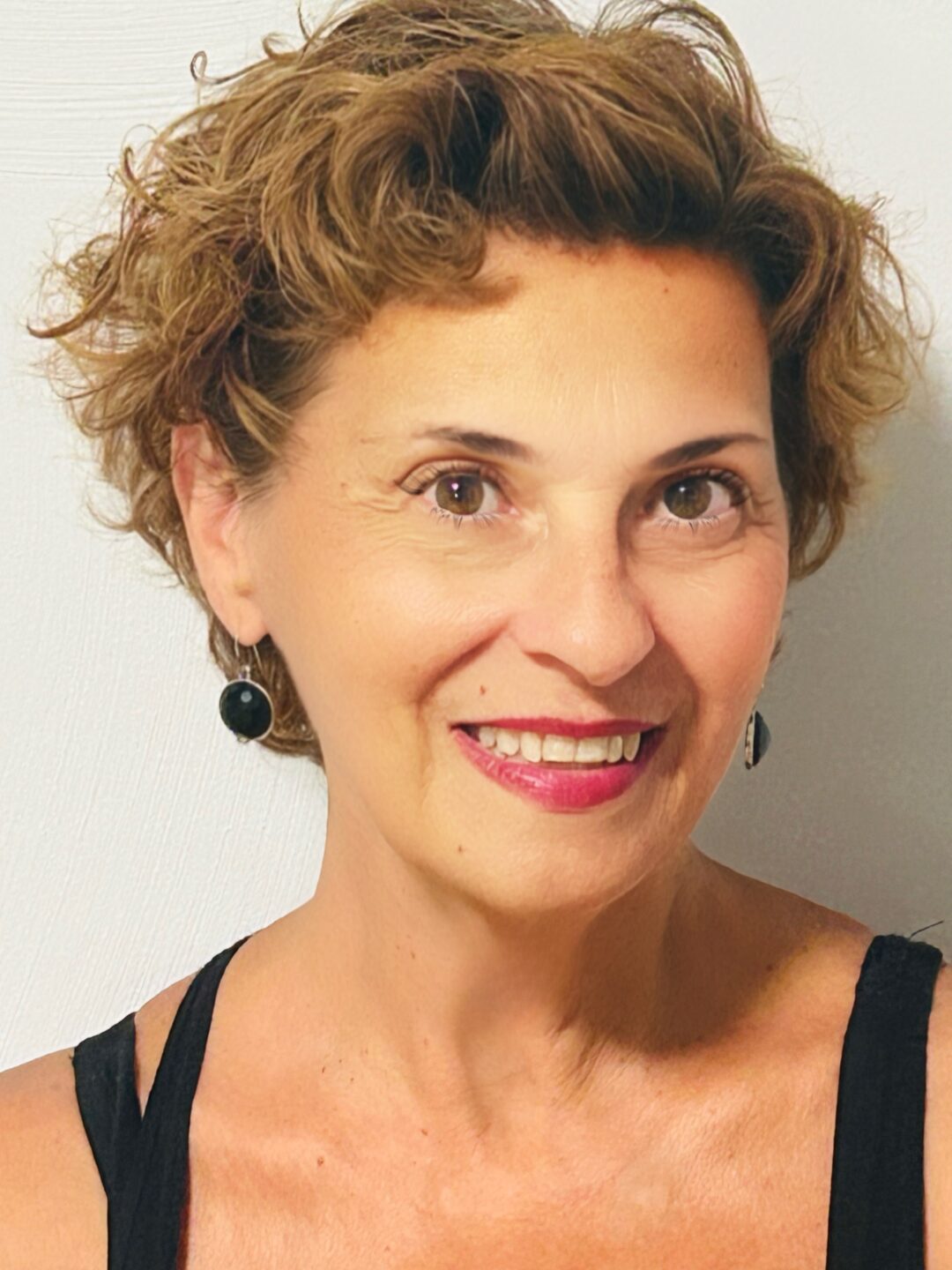
Next is Elizabeth (Eliza) Elias Huffman, Artistic Director of PICT Classic Theatre. She is soon to be starring in their production of First Lady at Carnegie Stage. That feels like such a good home for her company – the fusion of astounding talent with the intimacy of community theatre. I think I first met Eliza in person at the production of Miss Julie last spring, but in the back of my mind is a naggling thought that it was somewhere else.
When I looked at her astounding resume, I felt fortunate that her unique vision includes her Pittsburgh roots – she grew up in New Eagle, something I didn’t know. She grew up just miles from my childhood home. That’s very Pittsburgh. Two different experiences in the same hometown where art brings us together. It feels magical somehow when I discover creative people from my hometown.
Name: Elizabeth Elias Huffman
Pronouns: She/her/hers
Your Affiliation with the Arts: Artistic Director of PICT Classic Theatre
The Questions and Answers
Tell us about your connection to or your first impression of Pittsburgh.
I was born in New Eagle, near Monongahela, and lived in Pittsburgh until I was 20. After some time in New York, England, LA, and Portland, I returned home during the pandemic. The city has changed in some ways, but the heart remains the same. We’ve grown in the arts, boasting world-class museums, universities, and hospitals. Yet, we still love our local traditions like putting fries on sandwiches and eating chipped ham. Pittsburghers are passionate about food and the Steelers — and I share that passion.
There are real barriers to the arts – time, money, etc. But there’s also the matter of perception, that one must dress a certain way, know the culture of their local arts community or be knowledgeable about the medium . How does the creative community collectively lower these barriers so people actually learn if you like opera, ballet, plays, or symphonic music as a few examples?
Affordable ticket prices are key. We keep ours low while ensuring fair compensation for artists. Though theatre is expensive to produce, we offer pay-what-you-can nights for most shows and readings. At PICT, we want everyone to feel welcome, regardless of dress, background, or identity. It’s about making stories relatable and universal. It would also help if local newspapers published theatre listings to raise awareness of what’s happening in town.
Tell us about an under-appreciated or underutilized cultural resource in this region.
The arts should collaborate more with social, multicultural, and sports organizations. Pittsburgh is a sports town, but there are so many cultural gems, like City of Asylum, Battle of Homestead, and our museums, that deserve more recognition. Interdisciplinary collaboration can bring these resources to the forefront.
With whom in the Pittsburgh region would you like to collaborate and why?
I’d love to work with City of Asylum on international projects — they’re one of the most creative and empathetic organizations around. I’m also interested in collaborating with CLO’s New Horizons program for young actors with disabilities, as well as the Center for Theatre Arts. I admire Monteze Freeland’s work with The Alumni Theatre Company and would love to collaborate with them. I’m also excited by the CSA series at New Hazlett, with whom we hope to collaborate on a project together next year. I love what Patrick Cannon at Little Lake, and Lorraine Corpora Mszanski at South Park Theatre are doing to raise the bar of excellence in community theatre. And, of course, I admire and respect The Public Theatre, City Theatre, Pittsburgh Playwrights, and Quantum. To work with any of those companies would be wonderful. There’s so much talent in Pittsburgh, and I’m eager to work with these incredible people.

You have worked around the country, but your roots are in Monongahela, Washington County. How has the experience of growing in the Mon Valley as a woman of Middle Eastern descent informed your work?
I grew up in a community of Syrians and immigrants from all over, which instilled in me a deep pride in my roots. My culture is rich in poetry, music, art, and theatre, yet we’re often misunderstood. I’m passionate about changing the narrative and educating audiences about the beauty of our culture. My upbringing in a diverse community fuels my desire to tell stories from all cultural diasporas, reflecting the vibrant international community here.
You are starring in the latest play from PICT – ‘First Lady’ – as the central character and titular first lady, Ishtar. It is easy to draw comparisons to Marie Antoinette, perhaps a stretch to our First Lady Melania Trump, and even the fictional Elena Vernham. But this is not a white Euro-centric role – Ishtar is Middle Eastern. Why is it so hard to think of first ladies from nations in Global Majority nations?
Americans often isolate themselves from the world, overlooking powerful women in global leadership. First ladies like Graca Michelle of Mozambique, Emine Erdogan of Turkey, and Queen Rania of Jordan have shaped their countries profoundly, yet few know their stories. For our own future, it’s crucial to recognize the global impact of women from all cultures, not just Western ones.
In the U.S. I would include these First Ladies as contributing to important causes in our country: Abigail, Adams, Eleanor Roosevelt, Jaqueline Kennedy, Betty Ford, Roseanne Carter, Laura Bush, Michele Obama, Jill Biden, and Hillary Clinton as being very strong First Ladies whose influence is felt by their efforts for equality, and justice. I certainly would not include the current First Lady in this impressive mix of women.
How does farce empower a community living in political chaos?
Farce allows us to laugh at the absurdity of political chaos, helping us cope with difficult times. In a world where democracy is challenged, humor becomes a tool for reflection. The play’s biting comedy, with a European flair, offers a sharp critique of our political systems. I hope it inspires audiences to appreciate the freedoms we’re at risk of losing and to resist fascism and authoritarianism.
Plus One:
The play has several culturally immersive experiences from food to music and dance from MIddle Eastern cultures. How did PICT build the local relationships to bring these cultural assets to Carnegie?
Pittsburgh is home to many cultural organizations, and it’s as simple as reaching out to them. We don’t just produce plays from other cultures; we engage with those communities, learn from them, and invite them to share their experiences. These collaborations enrich our theatre and create lasting connections, both personally and professionally. It’s been an incredibly rewarding and enriching process.
Where to Find Elizabeth and PICT
Instagram @elizahuff1724 and @newpicttheatre
Facebook @NewPictTheatre
YouTube @NewPICTTheatre
Seven (+1) with Sue is one of our favorite Q&A series – a quick dive into the local arts world. (+1) is a nod to my need for a companion when I attend a performance and an acknowledgment of the need for universal accessibility to the arts. If you’d like me to craft a Q&A for your production, email pghlesbianblog@gmail.com.
Previous Q&A’s in this series (pre-re-launch, too)
Cartoonist Joe Wos Celebrates the Amazing Friends We Meet Along the Way: a Seven With Sue (+1) Q&A
Actor Phoebe Lloyd Talks About Queering Chekhov in a new local production: a Seven (+1) With Sue Q&A
My ‘Burgh Vivant Q&A with Jill Sobule #7WithSue
My new Q&A column at @BurghVivant with Nicole Gallagher, creator of ‘Mija: one bitch’s tale’